Charting Encryption Pathways from Initial Transfers to Multiplier Events and Tiered Table Privileges in Portable Entertainment Systems
Blake Sullivan · Aug 20, 2026
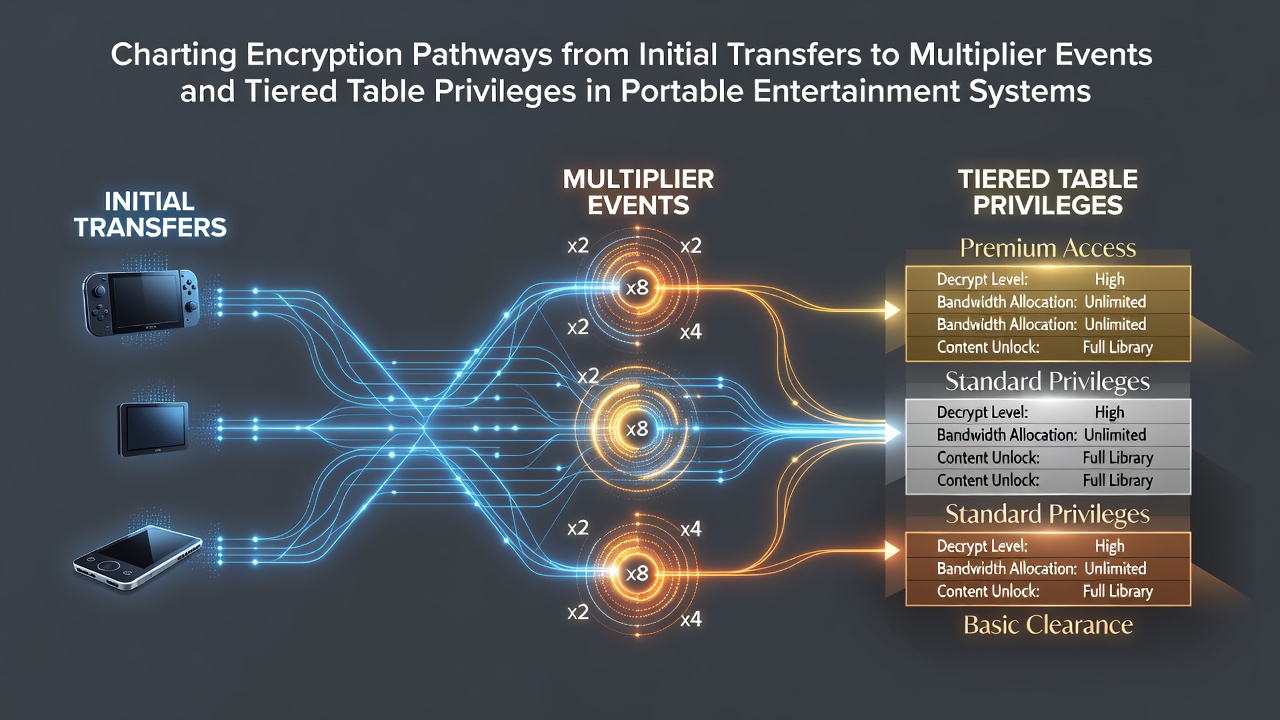
Charting Encryption Pathways from Initial Transfers to Multiplier Events and Tiered Table Privileges in Portable Entertainment Systems
Portable entertainment systems rely on layered encryption protocols to protect data during initial transfers, which often involve user registration and payment processing, while maintaining integrity through multiplier events that calculate game outcomes and extending safeguards to tiered table privileges that control access levels in live dealer environments. Researchers at institutions focused on digital security have documented how these pathways operate across mobile platforms, with standards evolving through 2026 to address increasing transaction volumes in handheld gaming applications.
Secure Foundations in Initial Transfers
Initial transfers in portable entertainment systems begin with device authentication and encrypted session establishment, typically using Transport Layer Security protocols that exchange keys before any user data moves across networks. Data from industry reports indicate that these steps prevent interception during registration and deposit phases, where financial details and account credentials require protection under frameworks such as those outlined by the National Institute of Standards and Technology. Observers note that portable systems integrate hardware-backed keystores on mobile devices to store session tokens, reducing exposure risks even when users switch between cellular and wireless connections.
Payment gateways further encrypt payloads with Advanced Encryption Standard algorithms, ensuring that transaction records remain confidential from the point of origin through verification servers. Studies conducted by academic groups in North America have examined how end-to-end encryption chains link mobile applications directly to banking partners, while compliance checks verify that each hop adheres to regional data protection rules. Those who analyze transaction logs find that delays in key rotation can create temporary vulnerabilities, prompting operators to schedule updates during low-traffic periods in August 2026 and beyond.
Pathways Through Multiplier Events
Multiplier events occur when game engines apply scaling factors to base outcomes, and encryption pathways must preserve the accuracy of random number generation outputs during these calculations. Secure enclaves within mobile processors isolate these computations, shielding them from external observation while transmitting results back through authenticated channels. Evidence from European research consortia shows that hash-based message authentication codes accompany each multiplier application, allowing receiving systems to confirm that no alterations occurred mid-process.
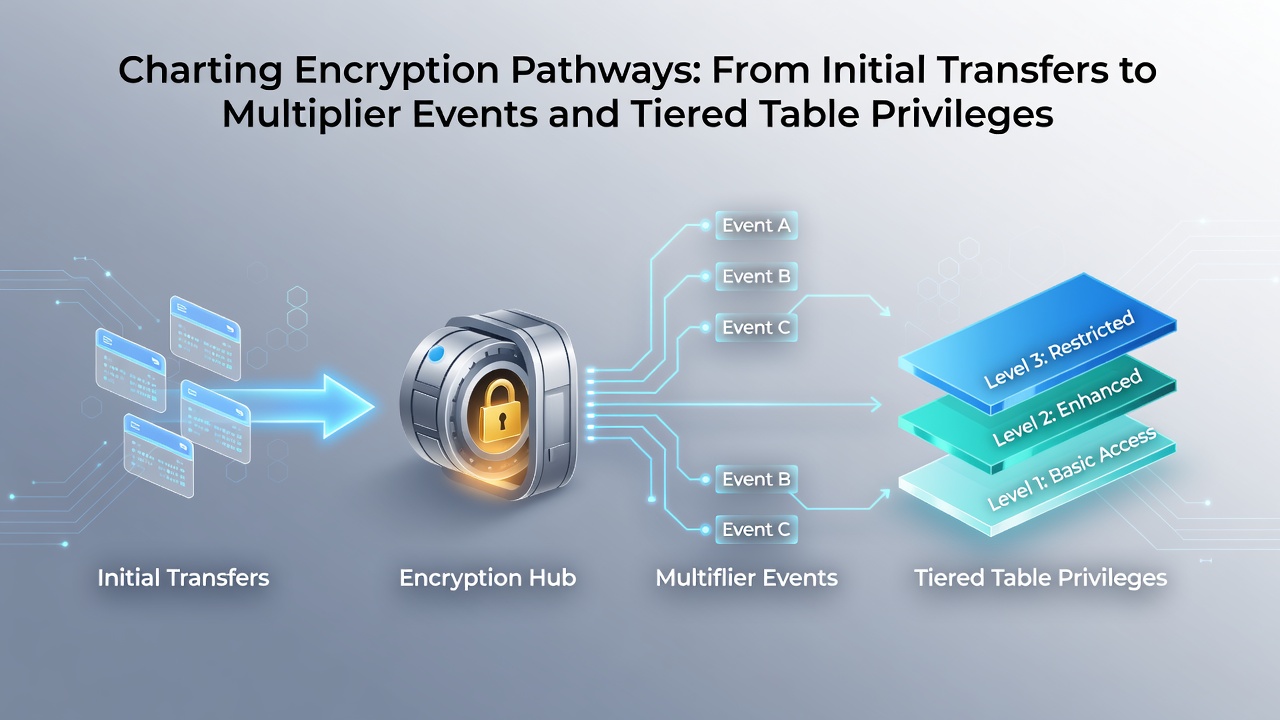
Portable entertainment applications route these events through dedicated servers that maintain separate encryption contexts for different game types, separating slot mechanics from table-based interactions. Data compiled by Asia-Pacific gaming associations reveals steady growth in encrypted event volumes, with platforms reporting higher throughput after adopting post-quantum resistant algorithms in early 2026. People who monitor system performance note that multiplier pathways often incorporate redundant verification steps, which add milliseconds to processing times but maintain audit trails required by oversight bodies.
Access Controls for Tiered Table Privileges
Tiered table privileges assign different encryption permissions based on user status levels, allowing higher-tier participants access to private dealer sessions while lower tiers remain in public encrypted streams. Role-based access systems encrypt privilege tokens with asymmetric keys, ensuring that only authorized devices can decrypt and present valid credentials at the start of each session. Reports from regulatory agencies in Australia highlight how these controls integrate with live dealer platforms, where video feeds and chat functions receive additional encryption layers proportional to tier status.
System logs from portable platforms demonstrate that privilege escalations trigger fresh key exchanges, preventing carryover of lower-tier session data into restricted areas. Research published by Canadian academic centers has tracked how these mechanisms reduce unauthorized access attempts across multi-device environments, particularly when users move between tablets and smartphones during extended play periods. Operators coordinate with hardware vendors to embed privilege checks directly into chipset firmware, streamlining verification without exposing raw access data.
Integration Across Mobile Ecosystems
Encryption pathways connect initial transfers, multiplier events, and tiered privileges through centralized policy engines that enforce consistent rules across portable entertainment systems. Application programming interfaces handle token passing between modules, each interface secured by mutual authentication certificates that rotate on scheduled intervals. Figures from global trade organizations indicate that integrated pathways now support simultaneous handling of thousands of concurrent sessions per server cluster, with latency targets remaining under 100 milliseconds for most regions.
Developers incorporate logging frameworks that capture encrypted metadata without decrypting payloads, allowing compliance teams to review pathway integrity after events conclude. In August 2026, several platforms completed migrations to unified encryption suites that align mobile, desktop, and emerging wearable interfaces under single policy sets. Those examining adoption rates observe that cross-platform consistency reduces the number of separate audits required by multiple jurisdictions.
Conclusion
Encryption pathways in portable entertainment systems form continuous chains that begin with secure initial transfers and extend through multiplier calculations into controlled access for tiered table privileges. Technical documentation from standards bodies and research groups continues to guide refinements, ensuring data remains protected as mobile usage patterns shift. These mechanisms operate as core infrastructure components rather than optional features, supporting reliable operation across expanding device ecosystems.