Charting the synchronization of financial gateways with entertainment variety and loyalty frameworks in pocket-sized betting venues
Xander Bauer · Aug 22, 2026
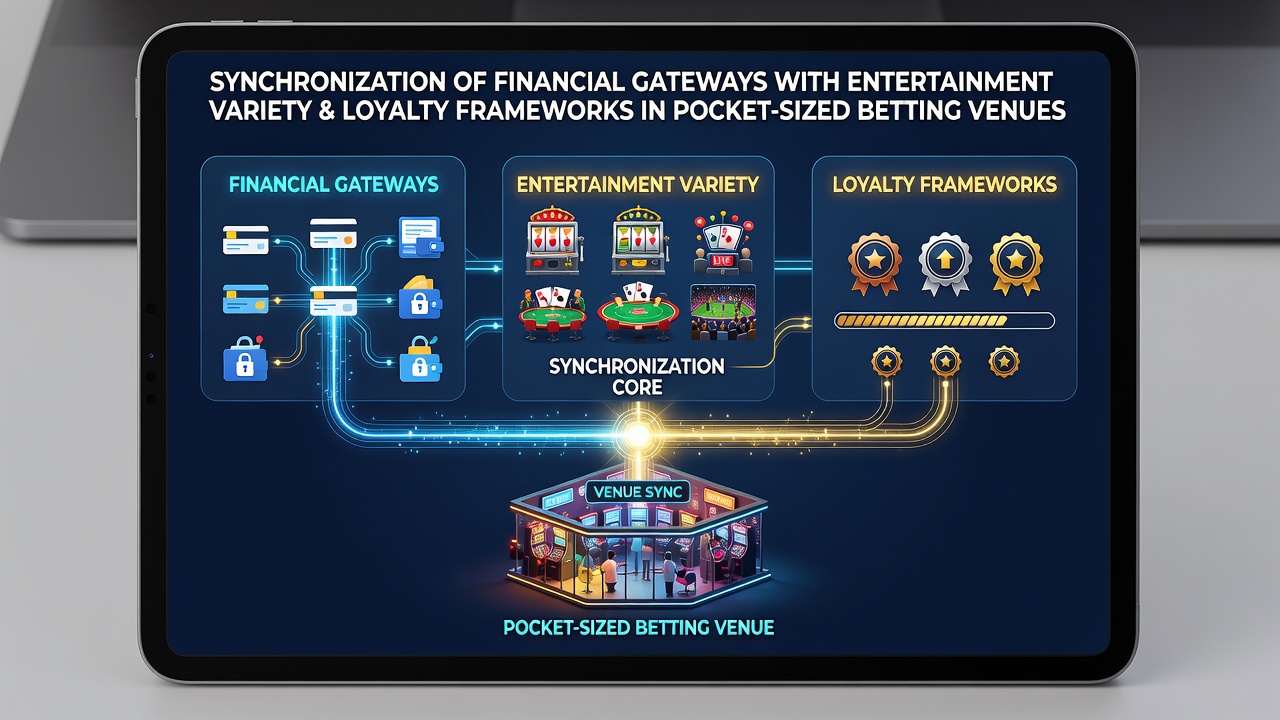
Charting the synchronization of financial gateways with entertainment variety and loyalty frameworks in pocket-sized betting venues
Financial gateways in pocket-sized betting venues have evolved to align directly with entertainment options and loyalty structures through interconnected APIs that process deposits and withdrawals in real time while updating player profiles across multiple game categories. These systems allow users to access sports betting markets, table games, and slot libraries from a single mobile interface where payment confirmation triggers immediate loyalty point accrual and unlocks varied content streams. Data from industry reports in mid-2026 indicates that such synchronization has become standard in platforms operating across multiple jurisdictions, with transaction volumes rising steadily since the start of the year.
Payment gateways and their role in content access
Modern mobile betting applications route financial transactions through secure gateways that communicate directly with backend servers managing game libraries, so a completed deposit activates not only account balances but also personalized entertainment feeds based on prior activity patterns. Observers note that e-wallet integrations and bank transfer protocols now embed loyalty identifiers within each transaction record, which means rewards accumulate automatically whether a player selects live sports events or interactive table formats. According to findings published by the European Gaming and Betting Association, synchronized gateways reduce processing delays by up to 40 percent compared with earlier standalone systems, allowing seamless shifts between payment confirmation and game launch sequences.
August 2026 saw several operators deploy upgraded encryption layers that maintain compliance with regional financial regulations while preserving the speed required for live betting scenarios. These updates ensure that loyalty frameworks receive continuous data streams from every deposit or withdrawal, enabling tier progression calculations to reflect both financial activity and entertainment engagement metrics in a unified dashboard. Researchers have documented cases where delayed gateway responses previously disrupted reward delivery, yet current architectures route confirmation signals through parallel channels to eliminate such interruptions.
Entertainment variety supported by unified loyalty tracking
Entertainment options in these venues span traditional casino formats, real-time sports wagering, and interactive skill-based challenges, all of which feed into a central loyalty engine via the same payment infrastructure. When users complete a transaction through an integrated gateway, the system logs the activity type alongside the monetary value, then distributes points across categories such as sports market participation or table game sessions without requiring separate inputs. This approach creates a continuous record that loyalty programs use to determine reward eligibility, bonus unlocks, and personalized content recommendations.
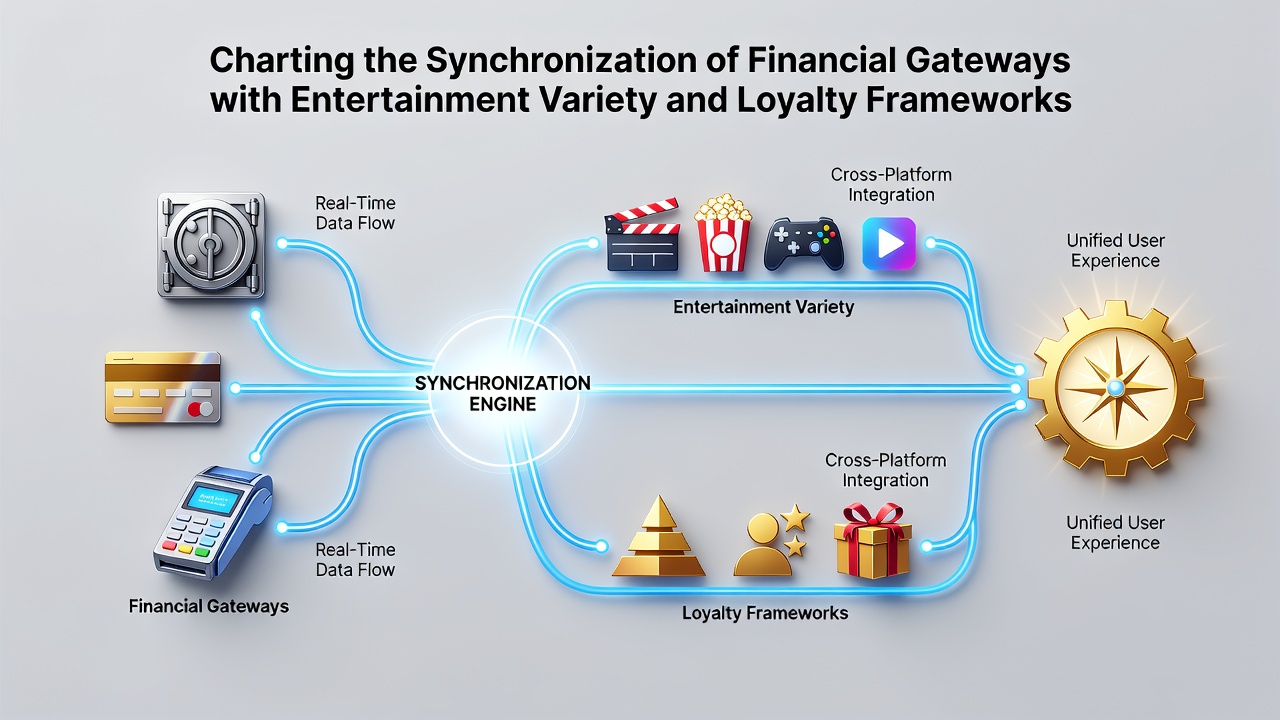
Industry analyses from the Australian Gambling Research Centre show that platforms maintaining tight synchronization between gateways and content libraries report higher session durations, because players encounter fewer friction points when moving between different entertainment modes. Loyalty frameworks benefit from this connectivity by capturing granular data on which game types correlate with specific payment methods, allowing operators to adjust reward structures accordingly. Those who have examined these systems describe the process as a closed loop where financial activity directly informs entertainment suggestions and vice versa.
Technical mechanisms enabling cross-system coordination
Backend architectures rely on standardized data exchange protocols that push transaction details from gateways into loyalty databases and entertainment servers simultaneously, preventing discrepancies that once arose when systems operated independently. In practice, a player funding an account on a mobile device triggers an event that updates the loyalty profile within milliseconds and refreshes available game options based on current tier status. This coordination extends to withdrawal requests, where verified transactions adjust loyalty balances and restrict or expand entertainment access according to predefined rules.
Developers have incorporated machine learning components that analyze synchronized data streams to predict optimal timing for loyalty incentives tied to specific entertainment verticals. Reports from the American Gaming Association highlight that such predictive elements, when linked to gateway outputs, improve retention rates by aligning rewards with demonstrated player preferences across sports and casino offerings. The result appears in unified mobile interfaces that display real-time loyalty progress alongside curated lists of compatible entertainment choices.
Conclusion
Synchronization of financial gateways with entertainment variety and loyalty frameworks continues to shape operations in pocket-sized betting venues through technical integrations that process transactions while maintaining continuous data flow across systems. Evidence from regulatory and industry sources demonstrates measurable improvements in transaction efficiency and player tracking accuracy as these connections mature. As platforms refine these alignments further into late 2026, the core architecture remains focused on delivering coordinated financial, entertainment, and reward functions within single mobile environments.