Exploring Connections Between Reliable Transaction Options and Ascending Loyalty Benefits in Live Dealer Settings Guided by Detailed Game Analyses
Devon Schmid · Oct 31, 2026
Exploring Connections Between Reliable Transaction Options and Ascending Loyalty Benefits in Live Dealer Settings Guided by Detailed Game Analyses
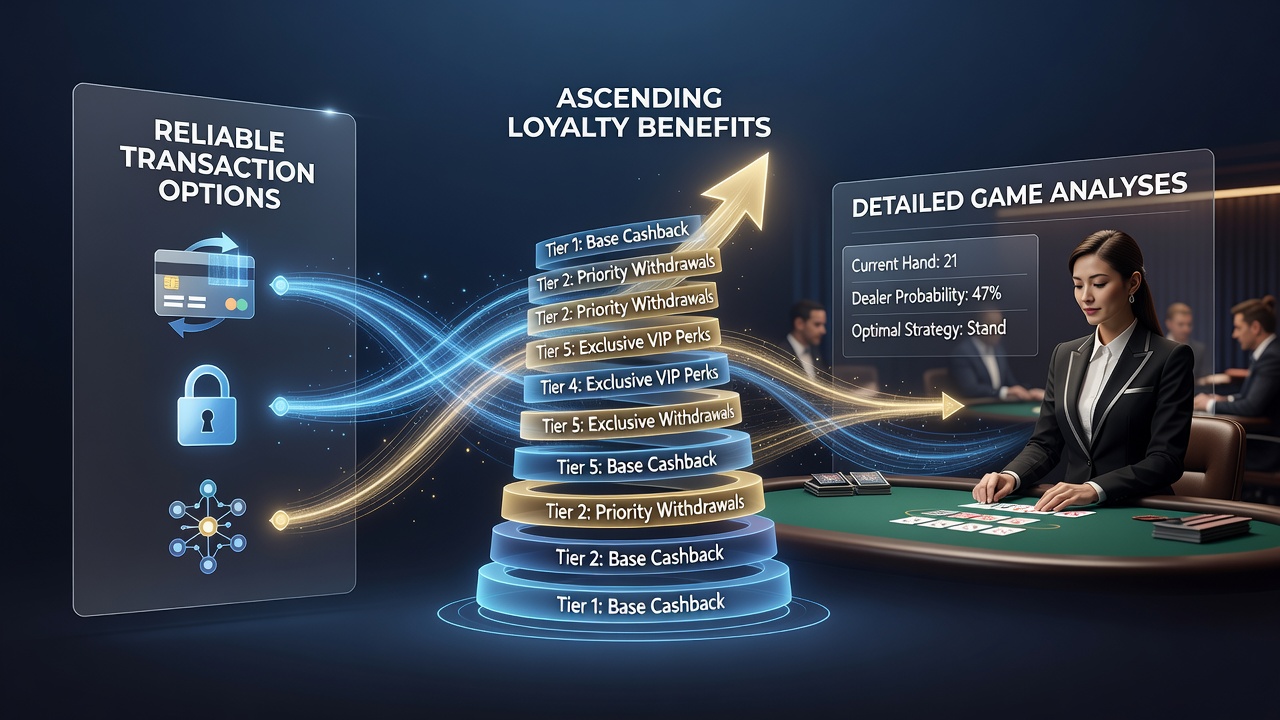
Live dealer platforms operate through structured payment systems that directly influence how participants accumulate and redeem loyalty rewards, while detailed game analyses reveal the mechanics linking transaction speed to tier advancement. Observers note that when deposits and withdrawals process without interruption, players maintain consistent engagement across tables such as blackjack and roulette, thereby meeting the activity thresholds required for loyalty escalation. Research from the American Gaming Association indicates that seamless transaction flows correlate with higher retention rates in real-time gaming environments as of October 2026.
Transaction Reliability as a Foundation for Sustained Play
Secure and prompt payment methods, including e-wallets and instant bank transfers, enable uninterrupted sessions at live dealer tables where timing affects both game outcomes and reward tracking. Those who examine platform data find that delays in fund movement often interrupt point accrual cycles, whereas reliable options keep activity logs current and aligned with loyalty program criteria. Game analyses frequently highlight how certain payment gateways integrate directly with casino management systems, automatically logging every wager toward tier milestones without manual intervention.
Loyalty Structures and Their Dependence on Consistent Funding
Ascending loyalty benefits typically unfold through tiered systems that reward cumulative play volume, yet these structures depend on the uninterrupted flow of funds to verify eligibility. Detailed reviews of live dealer titles demonstrate that participants using verified transaction channels reach higher tiers faster because their activity registers in real time, unlocking perks such as dedicated hosts, enhanced cashback rates, and priority access to exclusive tables. Industry reports compiled by the International Gaming Institute show that loyalty programs in multiple jurisdictions tie reward multipliers explicitly to deposit frequency and processing reliability.
Game Analyses Revealing Payment-Loyalty Linkages
Analysts who dissect individual live dealer titles, from baccarat variants to poker formats, uncover patterns where transaction history influences both bonus eligibility and long-term reward pathways. For instance, examinations of roulette sessions reveal that players maintaining steady deposit patterns qualify for loyalty multipliers applied to table limits, whereas sporadic funding disrupts these calculations. Figures from the Australian Gambling Research Centre reveal that platforms employing automated reconciliation between payments and loyalty ledgers experience fewer disputes over point allocation during peak activity periods.

Further scrutiny of blackjack strategy guides demonstrates that reliable funding options reduce session interruptions, allowing analysts to model optimal play sequences that simultaneously advance loyalty standing. These models often incorporate variables such as average deposit size and withdrawal turnaround, showing direct correlations with the speed at which participants progress from base levels to premium status. Observers tracking October 2026 platform updates note that several operators have refined these integrations to display projected loyalty gains alongside each transaction confirmation.
Regional Regulatory Contexts Shaping Payment-Loyalty Dynamics
Regulatory frameworks across different territories establish standards for transaction security that indirectly govern loyalty program integrity in live dealer settings. Data compiled by the New Jersey Division of Gaming Enforcement illustrates how licensed platforms must maintain audit trails connecting every deposit to player activity records, thereby ensuring that loyalty benefits reflect verified play rather than inflated claims. Similar requirements in other markets encourage operators to prioritize payment reliability as a prerequisite for marketing tiered rewards to participants.
Practical Implications Derived from Combined Analyses
Those reviewing aggregated game data alongside transaction logs identify clear pathways where dependable funding accelerates loyalty advancement without altering core gameplay mechanics. Case examinations of multi-table live sessions indicate that participants who select verified channels experience fewer verification holds, preserving momentum toward reward thresholds. Reports issued by the European Gaming and Betting Association further confirm that such alignments between payment infrastructure and loyalty engines contribute to measurable increases in average player tenure across examined jurisdictions.
Conclusion
Connections between reliable transaction options and ascending loyalty benefits emerge most clearly when detailed game analyses map payment flows against reward milestones in live dealer environments. Platform records from October 2026 demonstrate that operators maintaining robust payment integrations consistently deliver tier progressions tied directly to verified activity, creating measurable linkages that participants can track through standard loyalty dashboards. Continued examination of these systems across markets provides ongoing clarity on how transaction reliability underpins the entire structure of escalating benefits.