How Funding Verification Timelines Shape Access to Layered Incentive Structures in Assessed Chance-Based Digital Experiences
Devon Schmid · Oct 3, 2026
How Funding Verification Timelines Shape Access to Layered Incentive Structures in Assessed Chance-Based Digital Experiences
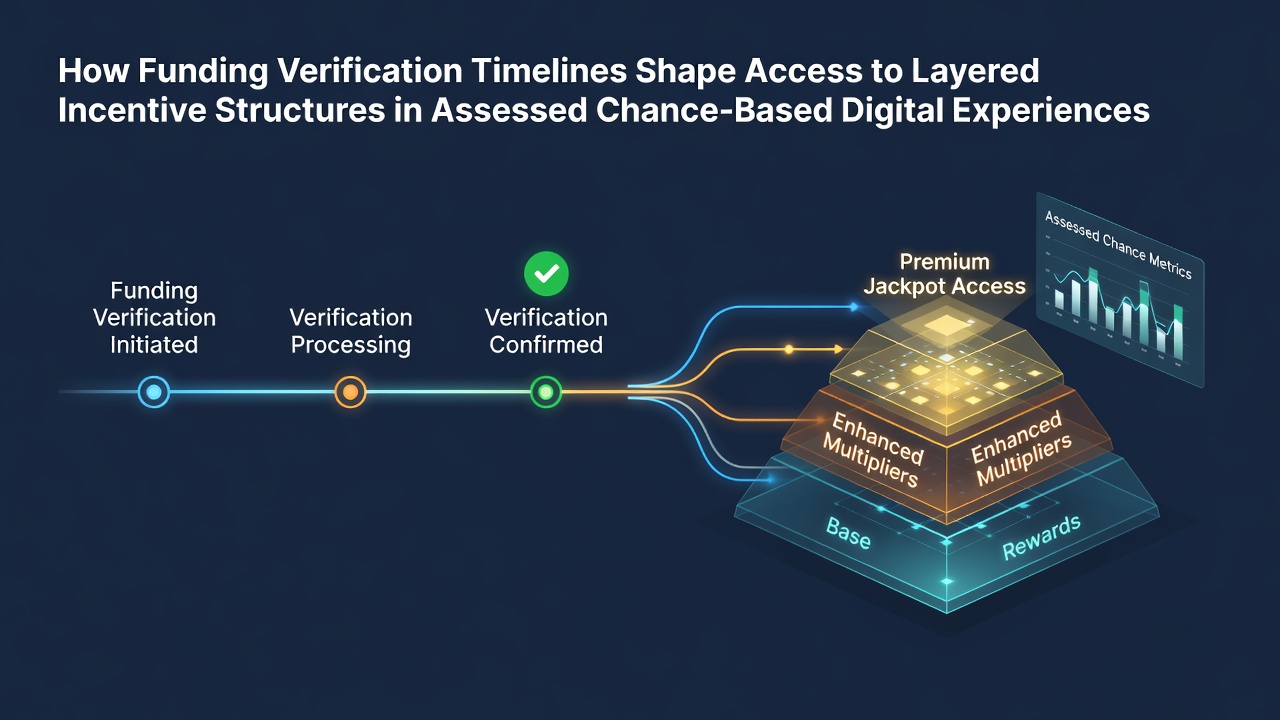
Data from regulatory filings shows that funding verification timelines directly influence when players gain entry to multi-tiered reward systems in assessed chance-based digital experiences, with longer approval windows often delaying access to layered incentives such as initial deposit matches, progressive free spin allocations, and VIP escalation pathways. Observers note that platforms operating in multiple jurisdictions track these intervals through automated compliance systems that cross-reference transaction details against identity records, creating bottlenecks that separate immediate participation from full incentive activation.
Defining Verification Timelines in Digital Platforms
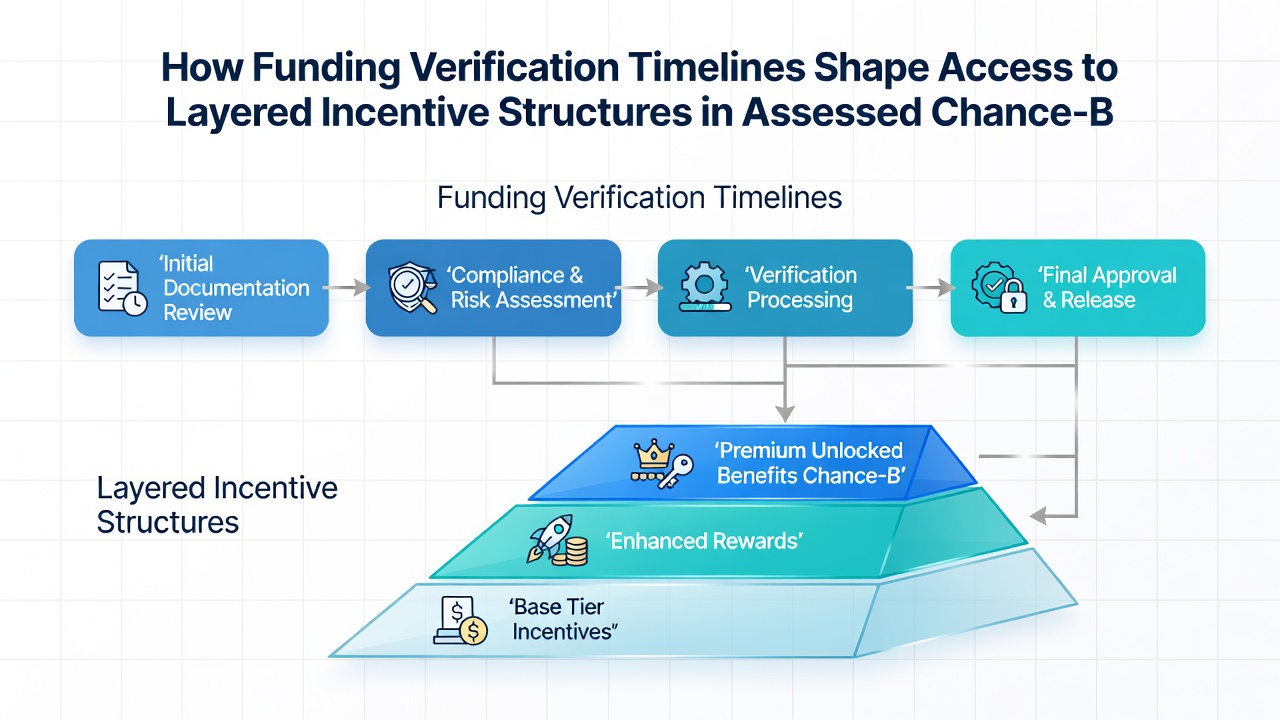
Verification processes typically begin once a deposit clears the payment gateway, after which algorithms assess risk factors including source of funds and account consistency before granting full status. Research indicates that standard checks complete within minutes for low-risk profiles, yet extended reviews spanning hours or days occur when additional documentation is required, and these delays prevent users from unlocking subsequent incentive layers until clearance arrives. Industry reports highlight that platforms integrate real-time banking feeds to accelerate portions of this sequence, though manual oversight remains common for higher-value transactions where layered rewards carry stricter eligibility criteria.
Layered Incentive Structures and Their Dependencies
Chance-based digital experiences organize incentives into sequential tiers that activate only after prior conditions are met, including verified funding status, and data shows this dependency chain means early verification opens deposit bonuses that feed into free spin accumulations while also advancing loyalty metrics toward VIP thresholds. Those who study platform mechanics find that basic reward access often requires a single cleared deposit, whereas advanced structures demand sustained verification across multiple payment cycles to unlock escalating benefits like personalized jackpot entries and live dealer priority perks. Figures from platform analytics reveal that users with quicker verification timelines accumulate incentive value at higher rates because each cleared layer feeds directly into the next without interruption.
Impact on Player Access Patterns
Patterns emerge when verification extends beyond average windows because players encounter restricted navigation through incentive menus until confirmation arrives, and this restriction limits exposure to time-sensitive promotions that require immediate deposit activity. Studies from academic sources demonstrate that platforms in regions with stringent anti-money laundering rules experience wider variance in timeline durations, which in turn segments user cohorts into those who access layered rewards promptly and those who navigate partial systems during review periods. What's interesting is how these access gaps compound across mobile interfaces where session continuity matters, since prolonged verification halts progression toward cumulative rewards that build through repeated verified interactions.
Regulatory Influences Across Jurisdictions
Regulators in various markets set minimum standards for identity confirmation that platforms must embed into their funding flows, and evidence from oversight bodies shows these rules affect how quickly layered incentives become available because compliance checkpoints sit at each tier boundary. A report published by the Government of Canada outlines verification benchmarks that gaming operators follow, noting that adherence creates predictable yet variable timelines depending on transaction complexity. Platforms adjust internal processes to align with these benchmarks, which means incentive structures often include built-in pauses that correspond to expected review durations rather than operating on fully automated release schedules.
Additional findings from the Australian Institute of Criminology indicate that verification delays correlate with reduced engagement in multi-layered reward programs during the initial account lifecycle, particularly when players must resubmit documentation multiple times before full access activates. This pattern holds across assessed chance-based environments where incentive depth increases with verified activity volume, creating a feedback loop where faster initial clearance leads to broader participation in subsequent layers.
Platform Adaptations and Timeline Management
Operators deploy tiered verification protocols that prioritize low-risk transactions for rapid incentive release while routing higher-scrutiny cases through parallel review tracks, and observers note this segmentation allows partial access to basic reward layers even while advanced ones remain pending. Data collected through October 2026 shows continued refinement of these protocols as platforms incorporate machine learning models trained on historical approval rates, reducing average intervals without compromising compliance thresholds. Those who monitor industry trends find that such adaptations maintain continuity in incentive progression for most users, although edge cases involving international payment methods still encounter extended windows that reshape access sequences.
Conclusion
Verification timelines operate as gatekeepers within the architecture of layered incentive structures in assessed chance-based digital experiences, determining the pace at which players move from initial funding confirmation to full reward participation. Evidence across multiple regulatory environments confirms that these intervals shape engagement patterns by gating access to successive tiers, with platform-level adjustments helping to smooth transitions where possible. As systems evolve, the relationship between funding verification speed and incentive availability remains a central factor in how these digital environments distribute rewards to verified participants.