Payment Pathways: Uncovering Links to Prolonged Engagement with Chance-Based Entertainment and Interactive Features
Xander Bauer · Nov 14, 2026
Payment Pathways: Uncovering Links to Prolonged Engagement with Chance-Based Entertainment and Interactive Features
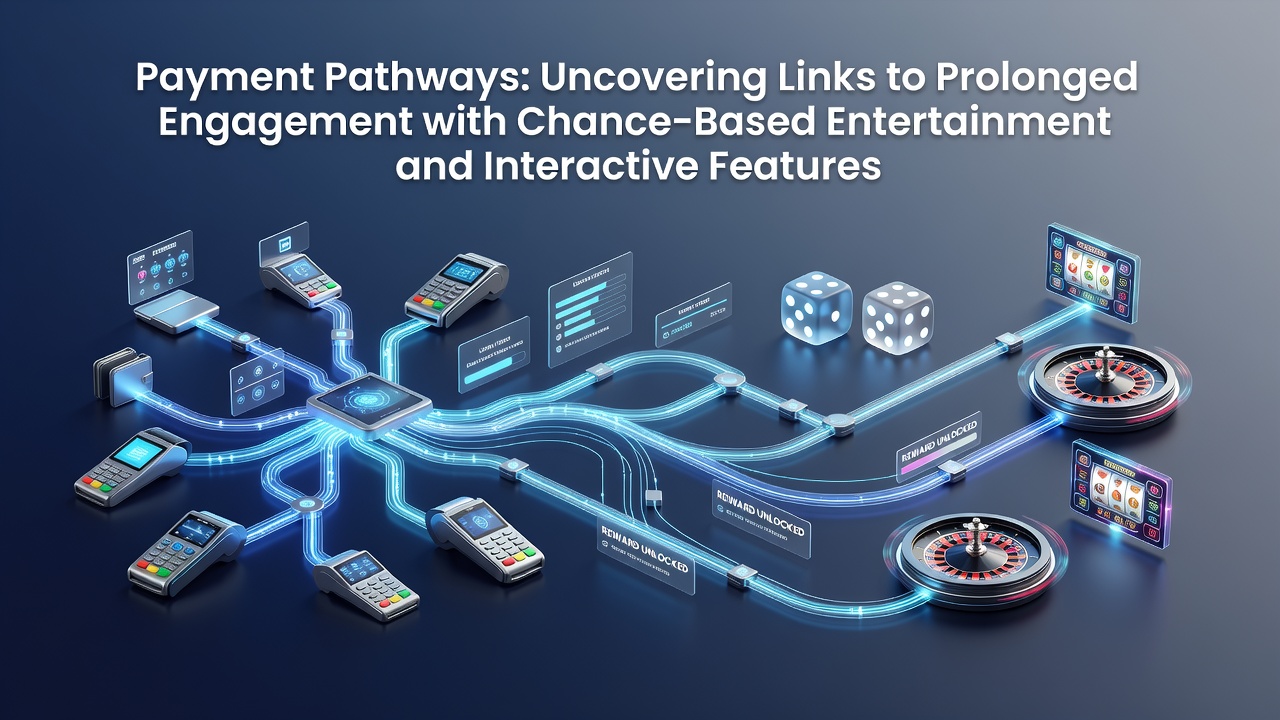
Payment systems in chance-based entertainment have evolved rapidly, with digital wallets, instant transfers, and integrated banking options reshaping how users interact with platforms offering lotteries, online games, and similar activities. Researchers tracking user behavior note that reduced friction in funding accounts often correlates with extended session durations, according to multiple industry analyses conducted through 2025 and into 2026. Studies from academic institutions highlight measurable patterns where seamless payment options align with higher retention rates. For instance, data compiled by the Australian Gambling Research Centre indicates that platforms supporting one-click deposits experience average engagement periods that exceed those reliant on manual bank transfers by notable margins. Observers tracking these metrics point to the convenience factor as a consistent variable across different regions and user demographics.Historical Shifts in Transaction Methods
Early digital entertainment relied heavily on credit card entries and wire services, which introduced delays that interrupted play sequences. Over time, the introduction of e-wallets and cryptocurrency options created shorter pathways between decision and action. Those who have examined transaction logs from major operators report that the average time from deposit initiation to game access dropped significantly between 2020 and 2025, creating conditions where users remain within sessions longer before encountering natural breaks.
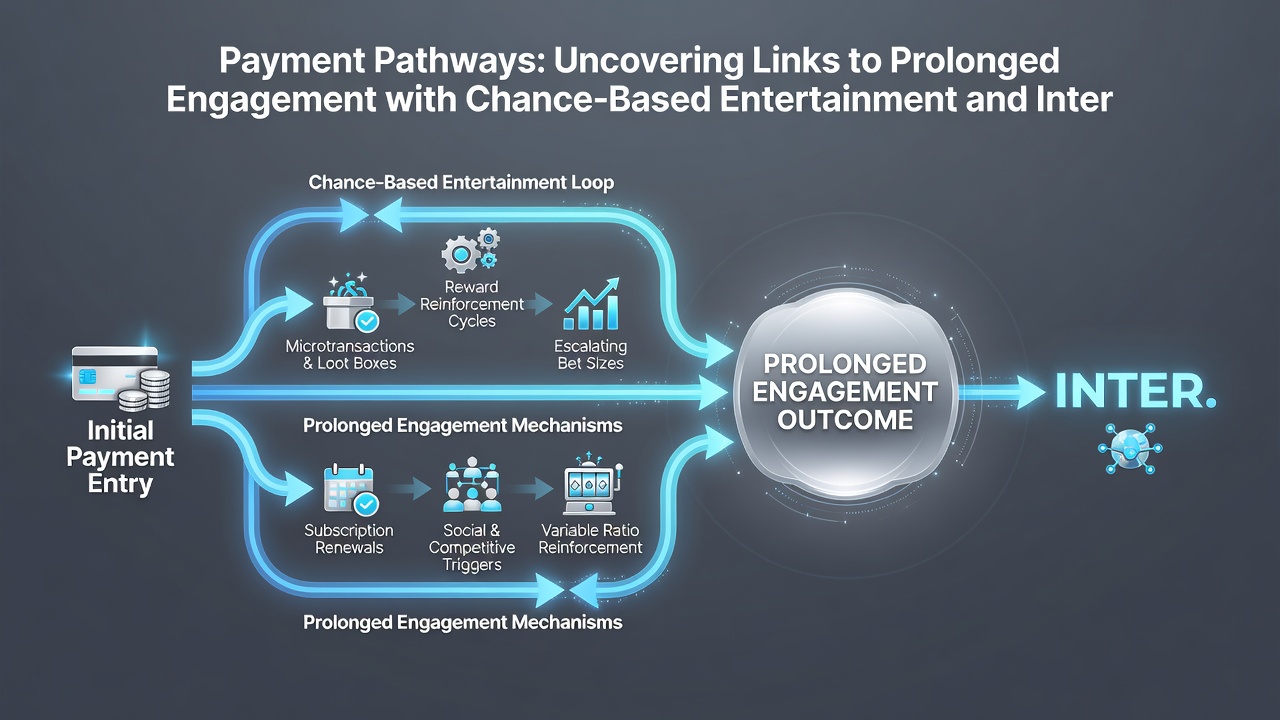
Interactive features such as real-time leaderboards, live chat integrations, and progressive reward displays further tie into these payment streams. When users complete a transaction, immediate visual feedback through these elements often sustains momentum. Evidence from platform telemetry shows clusters of activity following successful payments, with interactive prompts appearing at intervals designed to maintain attention.
Patterns Observed in Engagement Data
Multiple datasets reveal connections between payment velocity and time spent in chance-based environments. A 2024 review published by researchers at the University of Nevada, Reno, examined thousands of user journeys and found that accounts funded through instant methods displayed longer cumulative play minutes per week compared with slower verification routes. The study controlled for variables including game type and demographic factors, yet the payment pathway variable remained prominent.
What's notable is how these patterns hold across different regulatory landscapes. Figures released by the Nevada Gaming Control Board in November 2026 reflect continued growth in mobile deposit volumes, alongside parallel increases in reported session lengths for participating platforms. Similar trends appear in reports from the Canadian Centre on Substance Use and Addiction, where analysts documented comparable links in jurisdictions with established oversight frameworks.
Role of Interactive Elements Post-Transaction
Once funds clear, interactive components activate to guide further participation. These include dynamic odds displays, achievement unlocks, and social sharing tools that appear immediately after confirmation screens. Platform operators integrate these triggers at specific intervals, often within the first minutes following a deposit, according to documentation shared in industry technical briefings.
Take one analysis conducted across European markets, where data scientists mapped transaction timestamps against subsequent activity spikes. The resulting heat maps showed elevated engagement windows concentrated shortly after payment completion, with interactive prompts amplifying the effect. Such observations appear consistently in aggregated reports rather than isolated cases.
Regulatory and Research Context Through 2026
November 2026 brought updated reporting requirements in several jurisdictions, prompting operators to disclose more granular data on payment-to-engagement intervals. These disclosures have allowed researchers to cross-reference transaction logs with session analytics at scale. Early summaries from these filings suggest that regions with faster average settlement times also record higher proportions of users exceeding one-hour play thresholds.
Academic teams continue to explore underlying mechanisms, including psychological responses to reduced waiting periods and the reinforcing nature of immediate access to interactive features. Publications emerging from these efforts emphasize correlation rather than direct causation, while noting the need for additional longitudinal studies.
Conclusion
Payment pathways form one measurable component within broader systems that support prolonged engagement in chance-based entertainment. Available data from regulatory bodies, academic reviews, and platform analytics demonstrate consistent associations between transaction speed, interactive feature activation, and session extension. Continued monitoring through 2026 and beyond will provide further clarity on how these elements interact across evolving technological and regulatory environments.