Payment Velocity and Its Role in Shaping Layered Incentives Across Casino Loyalty Programs
Sage Schröder · Aug 13, 2026
Payment Velocity and Its Role in Shaping Layered Incentives Across Casino Loyalty Programs
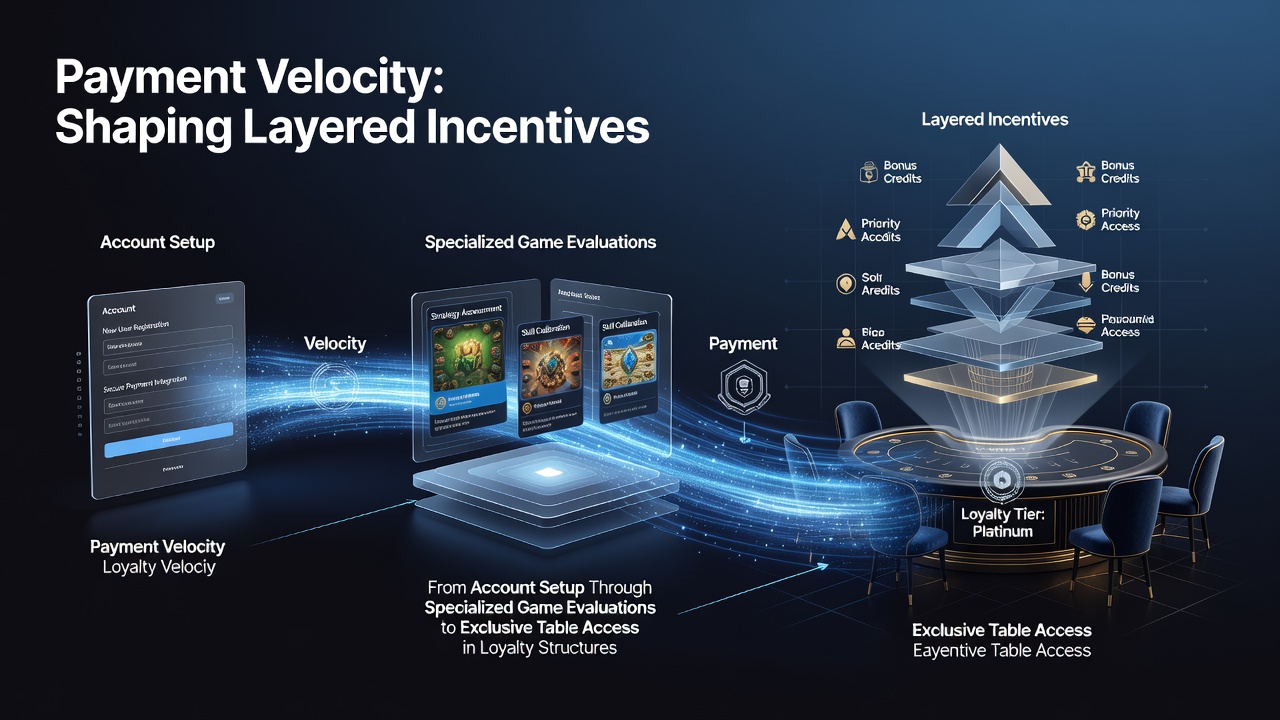
Payment velocity refers to the speed at which deposits and withdrawals move through online casino systems, and this metric directly influences how operators construct incentive layers that begin at account creation and extend into specialized game evaluations plus exclusive table privileges within loyalty structures. Observers note that faster transaction times allow platforms to release initial bonuses sooner, which in turn accelerates player progression toward higher tiers where game reviews unlock tailored rewards and live dealer tables become accessible only to verified high-velocity accounts.
Account Setup and Early Incentive Layers
Registration processes in digital casinos incorporate payment velocity checks right at signup, where instant deposit confirmations trigger immediate access to welcome packages that include free spins and deposit matches. Data from industry reports shows that systems processing payments within seconds enable operators to verify user details faster, reducing delays in bonus activation while compliance requirements from regulatory bodies remain intact. Those who study these flows find that platforms using real-time banking rails often grant early loyalty points based solely on verified transaction speed rather than total deposit volume alone.
Payment methods such as e-wallets and instant bank transfers create measurable differences in how quickly new accounts receive their first incentive layer, and this timing affects subsequent eligibility for game-specific promotions. Research indicates that accounts completing a deposit in under thirty seconds move into preliminary evaluation phases sooner than those relying on slower card processors, allowing loyalty algorithms to begin tracking activity metrics from the outset.
Specialized Game Evaluations and Velocity-Driven Rewards
Once initial setup completes, payment velocity continues to shape access to specialized game evaluations where operators review player behavior across slot titles and table games to assign personalized incentives. Faster transaction histories correlate with quicker entry into these review cycles, as systems prioritize accounts demonstrating consistent deposit and withdrawal patterns without friction. According to findings published by the Gaming Regulation Institute, platforms that integrate high-velocity payment gateways report higher completion rates in game evaluation programs because players maintain momentum through uninterrupted funding.
Specialized evaluations often examine metrics including session length, game type preference, and wagering patterns, yet payment speed acts as an underlying filter that determines when these reviews occur. Accounts with rapid deposit-withdrawal cycles frequently receive earlier invitations to participate in beta testing for new slot mechanics or live dealer variants, while slower payment profiles encounter extended waiting periods before similar opportunities arise.
Exclusive Table Access Within Loyalty Structures
Loyalty programs translate payment velocity into tiered privileges that culminate in exclusive table access, where high-speed transaction accounts gain entry to private live dealer rooms unavailable at lower levels. These structures operate through progressive thresholds where each verified fast payment contributes points that accumulate toward VIP status, unlocking dedicated tables with higher limits and personalized dealer interactions. Figures from the New Jersey Division of Gaming Enforcement reveal that programs emphasizing transaction speed saw measurable increases in VIP table utilization during 2025, with similar patterns projected to continue into August 2026 as more operators adopt instant settlement technologies.
Exclusive table privileges frequently require sustained velocity over multiple months, combining deposit frequency with withdrawal efficiency to maintain eligibility. Players who sustain rapid payment cycles advance through loyalty layers more steadily, reaching stages where game evaluations feed directly into table invitations rather than remaining separate processes. Industry data indicates that such integrated systems reduce churn among higher-tier participants because the connection between payment performance and privilege access remains transparent and immediate.
Integration of Velocity Metrics Across Program Stages
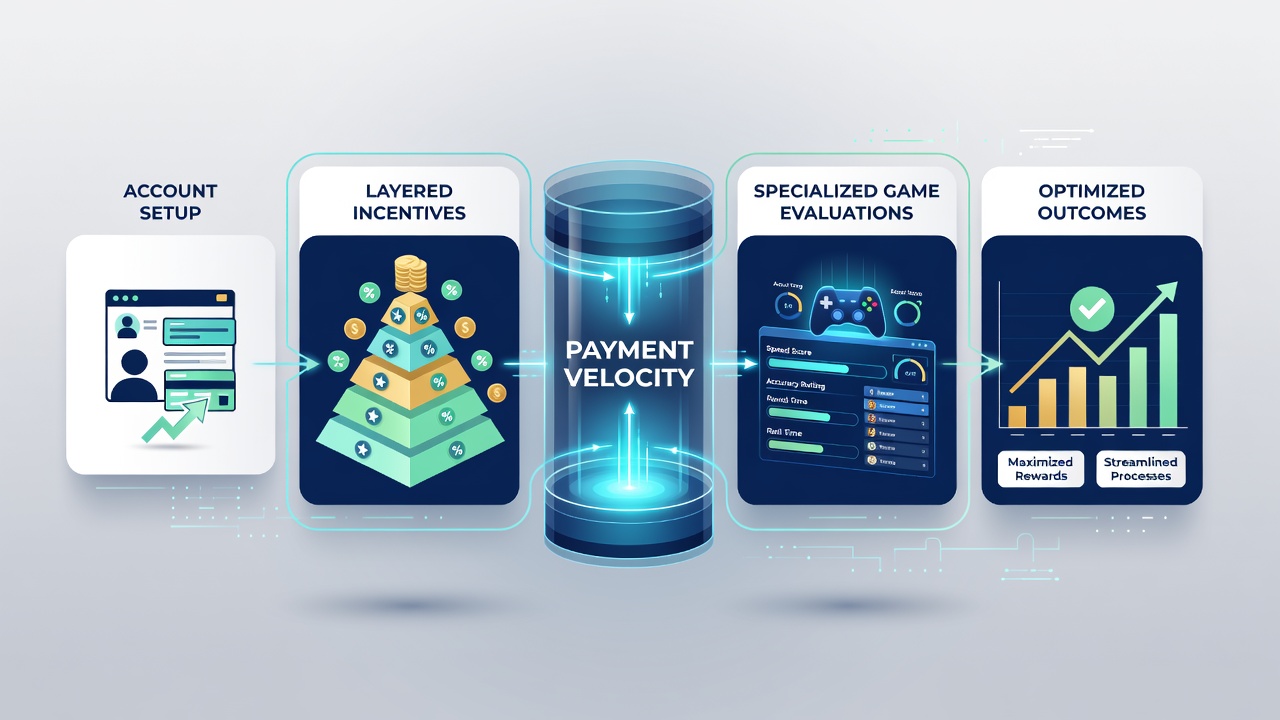
Operators combine payment velocity data with game evaluation outcomes to create seamless transitions between incentive layers, ensuring that account setup activities inform later decisions about table access. This integration relies on backend algorithms that score transaction speed alongside engagement metrics, producing a unified profile that determines reward distribution timing. Observers note that platforms achieving sub-minute average processing times often report smoother progression rates through loyalty milestones compared with those using batch settlement methods.
Regional regulatory variations influence how velocity metrics appear in program design, with some jurisdictions requiring documented proof of transaction reliability before exclusive privileges activate. These requirements create standardized pathways where payment performance becomes a verifiable component of loyalty advancement rather than an informal advantage.
Conclusion
Payment velocity functions as a foundational element that connects account setup procedures with specialized game evaluations and exclusive table access inside casino loyalty structures. Data shows consistent patterns where faster processing enables earlier reward activation and sustained progression toward higher privileges, while slower methods introduce measurable delays at each stage. As systems evolve through 2026, the relationship between transaction speed and layered incentives continues to define operational frameworks across digital gaming environments.