Secure Exchange Dynamics: Tracing Verified Transfers Through Layered Incentives in Reviewed Gaming Modules and Synchronized Dealer Sessions
Xander Bauer · Aug 18, 2026

Secure Exchange Dynamics: Tracing Verified Transfers Through Layered Incentives in Reviewed Gaming Modules and Synchronized Dealer Sessions
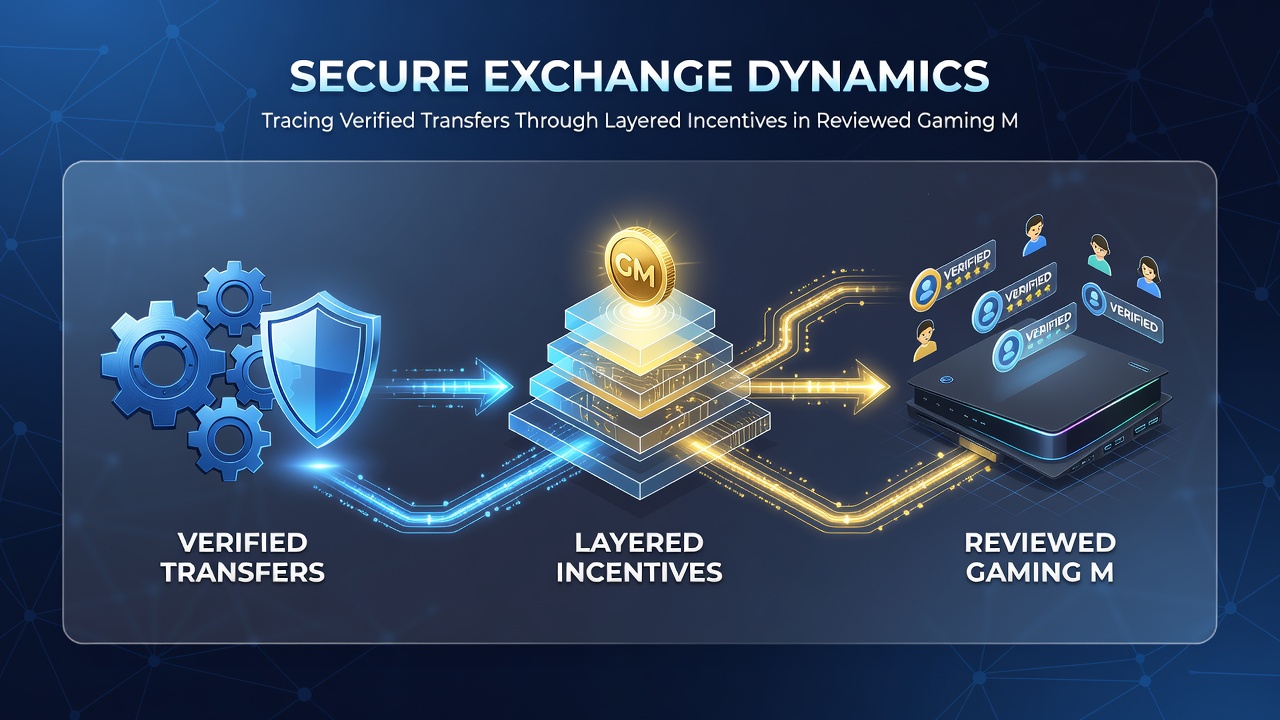
Online gaming platforms maintain secure exchange dynamics by routing verified transfers through encrypted channels that align with layered incentives built into reviewed gaming modules, while synchronized dealer sessions operate in tandem with these systems to confirm each transaction step, and data from industry analyses shows these processes reduce discrepancies across multiple operator networks.
Mechanics of Verified Transfers in Gaming Ecosystems
Verified transfers begin with identity confirmation protocols that cross-check user details against regulatory databases before funds move between accounts, and platforms integrate these steps with real-time monitoring tools that flag anomalies during peak activity periods such as those recorded in August 2026 when transaction volumes rose sharply across European and North American servers. Operators apply multi-factor authentication alongside blockchain-inspired ledgers in some regions to create immutable records, whereas traditional banking rails continue to handle the majority of deposits and withdrawals in markets overseen by bodies like the Nevada Gaming Control Board.
These verification layers connect directly to incentive structures because each confirmed transfer unlocks progressive reward tiers that accumulate based on volume and frequency, yet the synchronization ensures that only authenticated actions feed into the incentive pool without creating duplicate entries.
Layered Incentives Tied to Transaction Trails
Layered incentives function as sequential reward stages where initial deposits trigger base bonuses that expand into higher-value offers upon subsequent verified activity, and reviewed gaming modules display these progressions through transparent tracking interfaces that update after every synchronized dealer interaction. Research from the American Gaming Association indicates that such structures encourage sustained participation by mapping each transfer to specific reward milestones, while regional variations appear in how Canadian provincial regulators require disclosure of incentive terms before activation.
One common pattern involves deposit-based entry into a review cycle where module performance metrics determine eligibility for escalated tiers, and this process runs parallel to live sessions that log participation data in real time to prevent mismatches between claimed incentives and actual play records.
Integration Within Reviewed Gaming Modules
Reviewed gaming modules undergo systematic evaluations that assess payout consistency, interface reliability, and compatibility with secure transfer protocols, after which operators publish updated ratings that influence how incentives distribute across player accounts. These reviews often incorporate feedback loops from synchronized dealer sessions where table outcomes feed back into the verification system to adjust incentive eligibility dynamically.
Observers note that modules featuring progressive elements tend to align more closely with transfer verification checkpoints because their internal counters rely on confirmed data streams rather than estimated activity, and this alignment becomes evident in markets where academic studies from institutions such as the University of Nevada, Reno track correlations between module review scores and incentive redemption rates.
Synchronized Dealer Sessions and Real-Time Confirmation
Synchronized dealer sessions maintain continuous data exchange with backend verification engines so that every card dealt or wheel spin registers against an authenticated player profile, and this real-time linkage allows layered incentives to activate without manual intervention once transfer records clear. Australian regulatory frameworks administered through state-level gaming authorities require similar synchronization standards to ensure session logs remain tamper-evident, whereas operators in other jurisdictions adopt voluntary standards that mirror these requirements for cross-border consistency.
The sessions themselves generate timestamped entries that trace back through the incentive layers, creating an audit trail that reviewed modules reference when displaying updated reward statuses to users, and figures released in August 2026 highlighted increased adoption of such synchronized systems among mid-sized platforms seeking to streamline compliance reporting.
Interconnections Across the Full Exchange Cycle
Secure exchange dynamics emerge most clearly when verified transfers, layered incentives, reviewed modules, and synchronized sessions operate as an interconnected sequence rather than isolated components, and this sequencing allows platforms to maintain consistent records across diverse game types and payment methods. Industry reports from the European Gaming and Betting Association document how these connections reduce processing delays while preserving the integrity of each incentive layer tied to reviewed content.
Platforms that prioritize this integration often route session data directly into incentive calculation engines, which in turn reference transfer verification status before releasing rewards, and the resulting efficiency appears in aggregated statistics that show shorter reconciliation periods compared with non-synchronized environments.
Conclusion
Secure exchange dynamics continue to evolve through tighter coupling of verified transfers with layered incentives inside reviewed gaming modules and synchronized dealer sessions, and ongoing data collection from regulatory and academic sources provides the factual basis for understanding these patterns without reliance on isolated metrics. The processes described rely on established technical and procedural standards that multiple jurisdictions apply in varying combinations to support transparent operations across the sector.